Updated Date: Dec 24, 2025
What are the top web development trends of 2026? What web tech stack to use in 2026? What web or UI design trends are going to be in trend for 2026? Reddit and the internet in general are flooded with these questions by startup founders or aspirants, and for a very good reason.
Building a website today feels harder than it should. What worked last year already feels outdated. Performance expectations are higher, users are less patient, and competitors are shipping faster with smarter products. If you are a founder or decision maker, you are not just looking for design inspiration. You are trying to avoid costly rebuilds, poor scalability, and technology choices that slow growth.
In 2026, web development trends won’t be just about flashy features, but survival, speed, and long-term flexibility. Startups, specifically, need clarity on what to build now and what to ignore. Understanding web development trends 2026 will help you make smarter bets, plan architecture early, and decide when it actually makes sense to hire web developers for startups who can execute with future-ready skills.
Which Are The Web Development Trends In 2026 You Must Follow?
These 7 trends in web development guide your tech choices so you build faster and meet expectations.
1) AI Driven UX Personalization – Deliver Relevant User Experiences
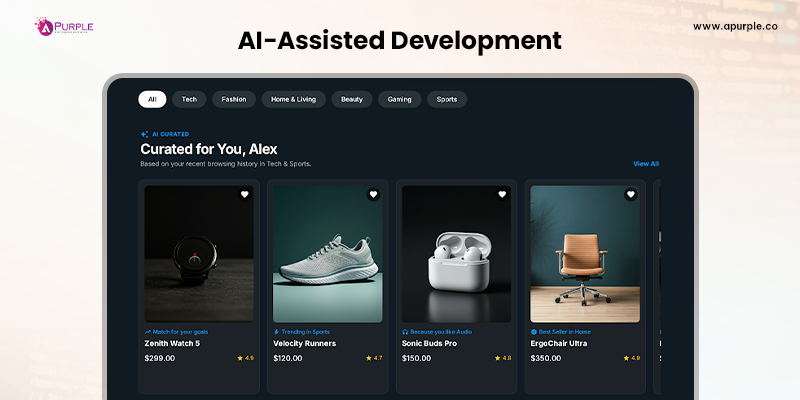
Users expect relevance from the first visit. Generic screens fail fast. Manual personalization does not scale. AI-driven UX personalization earns a place in trends in web development because products must adapt in real time.
- AI-Driven Personalization for User Context
User intent shifts across sessions. Static flows miss signals. AI reads behavior patterns and adjusts content instantly. You match screens to user goals without manual rules. - Dynamic Layouts and Content for Engagement
One layout does not fit every user. Engagement drops when content feels generic. AI reshapes layouts, recommendations, and messaging based on actions. You keep users focused on what matters. - Real-Time Recommendations for Conversions
Users hesitate when choices feel unclear. AI predicts next actions from past behavior. You guide users toward relevant options and shorten decision paths. - Adaptive UX Testing for Faster Learning
Traditional testing moves slowly. AI evaluates multiple variations at once. You learn what works from live usage data and adjust faster.
AI-driven UX personalization appears here because relevance, speed, and scale define modern products. Teams rely on data-driven UX to retain users and grow efficiently.
Why Does It Matter?
Personalized experiences reduce friction and improve retention. You serve the right content at the right moment and increase product value with less manual effort.
Pro Tips for AI-Driven UX Personalization
- Start with one high-impact flow.
- Personalize content before layout changes.
- Use behavior signals, not assumptions.
- Set clear success metrics for each variation.
- Review outputs to align with product goals.
2) Performance-Centric Architectures – Boost Speed and Scalability
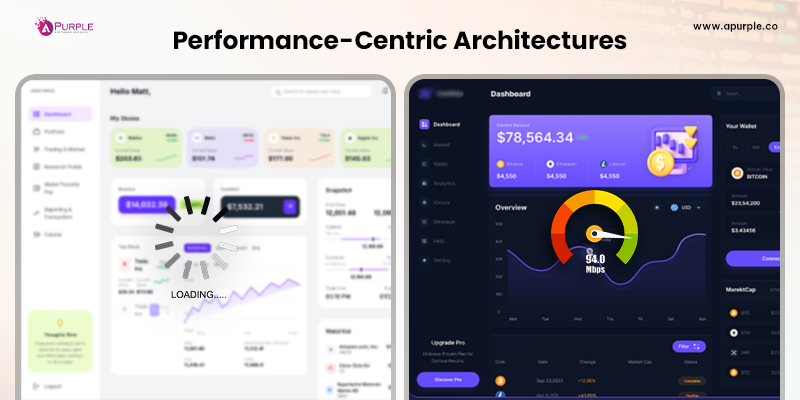
Users abandon slow websites. High traffic breaks apps. Startups need growth without delays. Performance-focused designs make speed and reliability central. This is why performance-centric architectures appear in web development trends.
- Edge Computing for Global Speed
Traffic spreads globally. Edge nodes bring content closer to users. You reduce load times and keep sessions stable across regions. - Serverless Architecture for On-Demand Scalability
Traffic spikes hit unpredictably. Serverless setups adjust automatically. You deliver features without manual server management. - WebAssembly for Near Native Browser Performance
Complex apps need fast logic. WebAssembly runs heavy calculations in the browser. You improve responsiveness without extra backend load. - Micro Frontends for Large-Scale Web Apps
Large apps create code conflicts. Micro frontends divide interfaces into smaller units. You deploy updates faster and isolate errors.
These approaches become trends in 2026 because users demand speed, apps scale faster, and startups must deliver with smaller teams.
Why Does It Matter?
Strong performance keeps users active and helps your product scale with less friction. You avoid slow screens, reduce load on servers, and support steady growth.
Pro Tips for Faster Scale
- Start with performance budgets for every feature.
- Push logic closer to users when traffic grows globally.
- Keep serverless functions small and single-purpose.
- Use WebAssembly only for compute-heavy tasks.
- Align micro frontend boundaries with business flows.
3) Illustration in Web Design – Add Clarity and Brand Identity
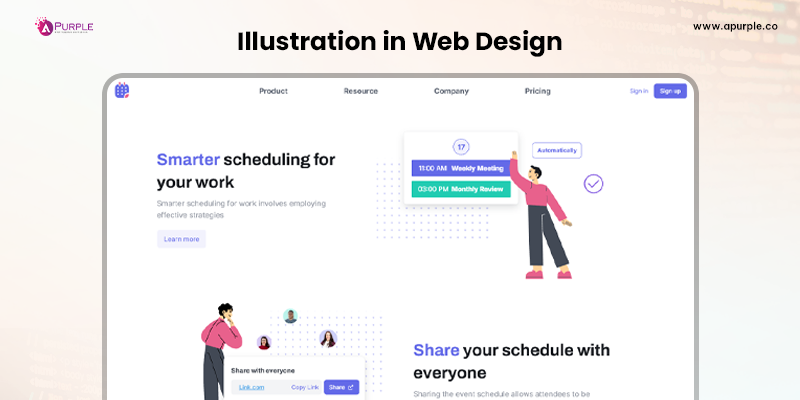
Websites fight for attention, and stock visuals feel generic. Users skip pages that lack personality. Illustration earns a place in upcoming web development trends because brands need a clear identity and faster communication.
- Illustrations for Instant Understanding
Users scan pages fast. Long text slows decisions. Custom illustrations explain ideas at a glance. You reduce cognitive load and guide focus. - Brand Recognition
Similar layouts blur brand recall. Generic visuals fail to stand out. Illustrations reflect tone and values. You build recognition across pages and campaigns. - Illustrations for Guided User Flow
Users miss key actions. Visual cues improve direction. Illustrations highlight steps and next actions. You support smoother navigation and task completion. - Performance Control
Heavy images hurt load speed. Illustrations stay lightweight and scalable. You balance visual appeal with performance goals.
Illustrations appear in modern web development trends because clarity, branding, and speed matter more as competition grows.
Why Does It Matter?
Clear visuals improve understanding and retention. You communicate faster and keep users engaged without clutter.
Pro Tips for Using Illustrations
- Use illustrations to explain, not decorate.
- Match style with brand voice.
- Keep color contrast accessible.
- Limit illustrations to key sections.
- Test impact on engagement metrics.
4) Voice Interfaces and Conversational UI – Simplify User Interactions
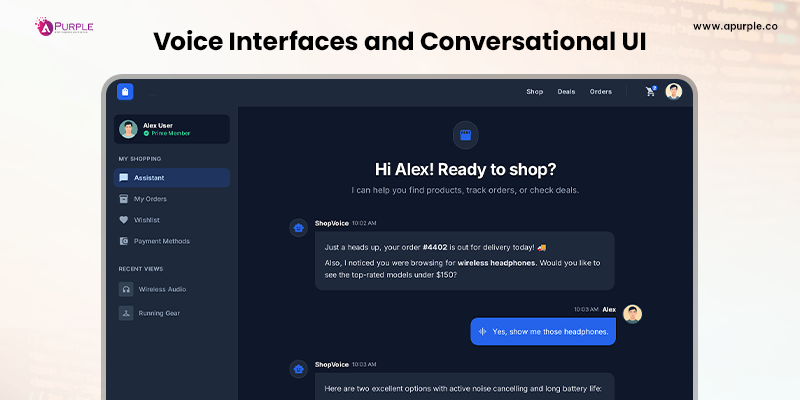
Website users want fast answers. Navigation feels heavy on small screens and forms slow decisions. Voice interfaces and conversational UI appear in trends in web development because websites must respond faster with less effort.
- Voice Search and Commands on Websites
Users search while multitasking. Typing feels slow on mobile. Voice input speeds search, navigation, and simple actions. You help users reach pages without deep menus. - Conversational UI for Website Journeys
Long forms increase exits. Users abandon multi-step flows. Conversational UI breaks tasks into short interactions. You guide users through signup, support, and booking flows. - Chat-Based Website Assistance
Static help pages go unread. Users want direct answers. Website chat handles queries, navigation help, and actions in one place. You reduce bounce rates and support load. - Context-Aware Website Conversations
Generic replies frustrate users. Context-driven chat adapts to page intent. You deliver relevant responses based on where users are on the site.
Voice and conversational UI matter for websites in 2026 because mobile usage grows and patience drops. Teams focused on web design & development for startups adopt these interfaces to simplify journeys and improve conversion paths.
Why Does It Matter?
Websites win when interaction feels effortless. You shorten paths, reduce friction, and help users act faster.
Pro Tips for Website Conversational UI
- Start with high exit pages.
- Use chat for guidance, not noise.
- Keep voice commands limited and clear.
- Add visual fallback for every response.
- Track drop offs after interactions.
5) Accessibility and Sustainability – Build Inclusive and Green Websites
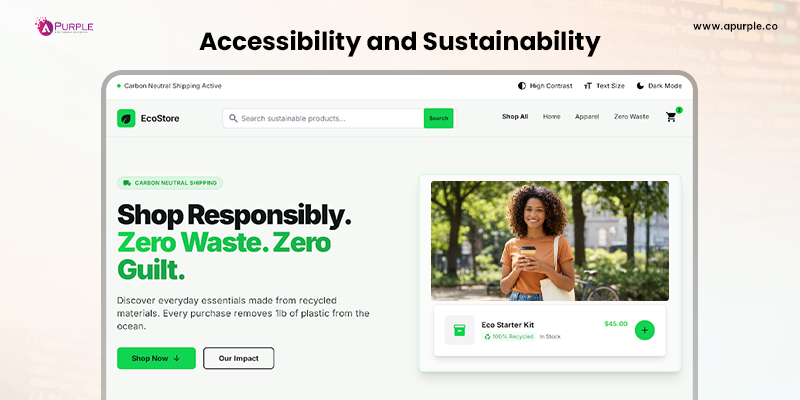
Trends in web development highlight equal access and responsible design. Web development trends push teams to build products that support all users and reduce waste. These shifts align with top mobile app design trends and long-term digital health.
- Accessibility First Web Development
You follow clear contrast rules. You add keyboard paths. You support screen readers. You keep forms simple and readable. - Sustainable Low-Carbon Website Design
Lighter assets lower energy use. Simple pages load faster and reduce server load. You remove heavy scripts and large images. - Ethical Web Development Practices
You respect user consent. You avoid dark patterns. You store data with care.
Why Does It Matter?
Inclusive design supports more users and builds trust. Sustainable choices reduce load, save resources, and keep your product efficient across devices.
Tools and Checklists for Compliance
- WCAG checklists
- Contrast testers
- Lighthouse audits
- Carbon calculators
- Browser accessibility inspectors
6) Embedded Videos in Homepages – Communicate Value Faster
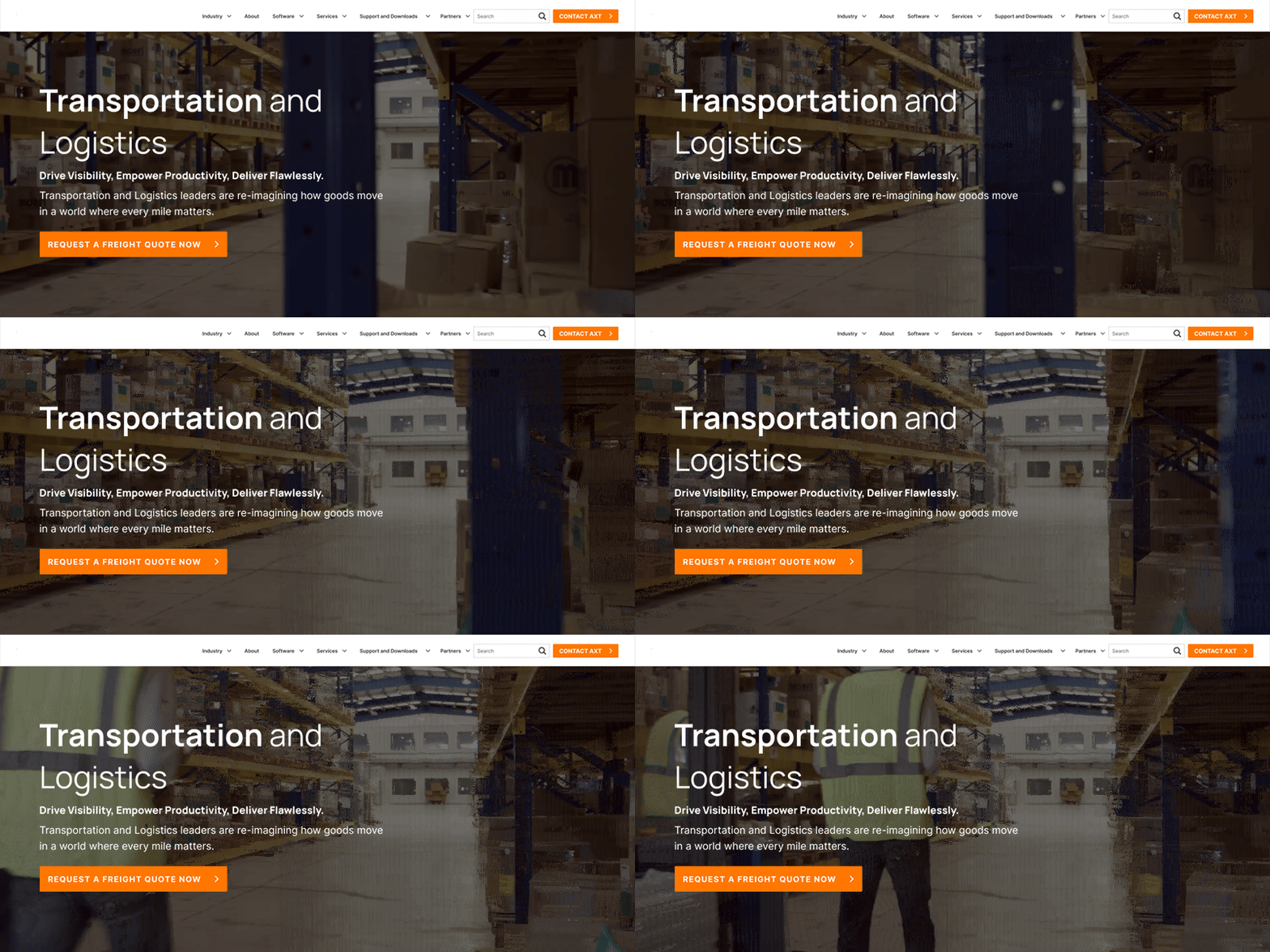
Users pass homepages quickly; long text fails to hold attention. Static banners feel easy to ignore. Embedded videos appear in the latest trends in web development because websites need faster value delivery.
- Instant Message Clarity
Users want quick answers. Reading slows decisions. Short homepage videos explain the purpose within seconds. You show value without forcing scroll. - Trust and Credibility
New visitors doubt claims, and text feels generic. Videos show products, people, and outcomes. You build trust early in the journey. - Higher Engagement
Bounce rates rise on static pages. Motion keeps users focused. Embedded videos increase time spent on key sections. You guide attention to primary actions. - Videos for Conversion Support
Users hesitate before action. Videos answer common questions upfront. You reduce friction before the signup or contact steps.
Embedded videos matter because attention spans shrink and competition grows. Teams use video to communicate faster and guide users with clarity.
Why Does it Matter?
Clear visuals shorten decision time. You explain more with fewer words and improve first impression impact.
Pro Tips for Homepage Videos
- Keep videos under sixty seconds.
- Place the video above the fold.
- Add captions for silent viewing.
- Avoid autoplay with sound.
- Track engagement and exit points.
7) Security and Privacy Standards – Protect Data and Build Trust
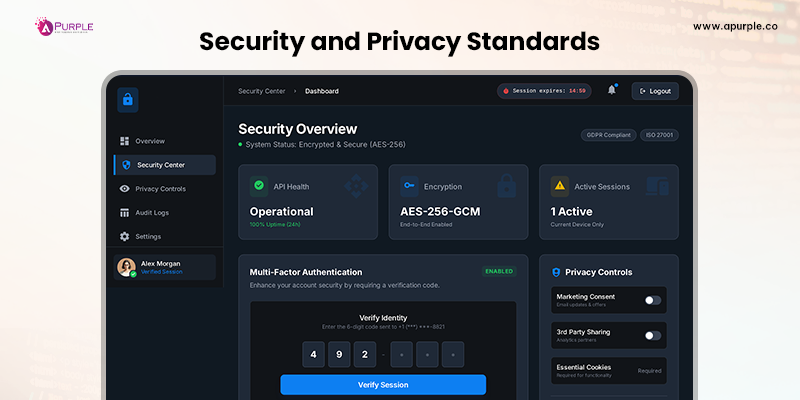
Security shapes modern web development trends. You deal with stronger threats, stricter rules, and higher user expectations. These shifts guide new web development trends that focus on safe data flows and clear protections.
- Rise of Zero Trust Architectures
Every request is verified. You treat all users and services as untrusted. This reduces risk across your system. - API Security and Threat Prevention
APIs hold sensitive data. You monitor traffic, enforce auth checks, and block unsafe calls before they reach core services. - Data Privacy, GDPR and CPRA Compliance
You limit stored data and follow regional rules. You share clear consent terms and remove user data when requested. - Tools for Security Automation
You use scanners, code analyzers, and alerting systems to detect issues early. This keeps releases stable and compliant.
Why Does it Matter?
Strong security protects your users and your product. You reduce risk, follow legal rules, and maintain trust during traffic spikes or threats.
Quick Web Development Trends Highlights for Startups
Quick Breakdown of Key Web Development & Design Trends
| Trend | Key Takeaway | Developer Focus |
|---|---|---|
| AI-Powered Personalization | Content & UX adapt in real time based on user behavior. | AI APIs, analytics integration, optimized personalization logic. |
| Accessibility-First Design | Mandatory WCAG compliance for global audiences. | Semantic HTML, ARIA, contrast testing, keyboard navigation. |
| Motion Design (Functional) | Microinteractions guide attention & boost clarity. | Lightweight animation libraries, purposeful transitions. |
| Mobile-First, Fast-First | Speed & responsiveness drive conversions. | Core Web Vitals, image compression, CDN usage. |
| Organic Shapes & Anti-Grid Layouts | More expressive, fluid brand identity. | CSS Grid, SVG shapes, fluid spacing. |
| Human Copy & Conversational Interfaces | Friendlier UX and higher engagement. | Chatbot integration, conversational microcopy. |
| Sustainability-Centric Design | Faster sites with fewer resources and lower carbon footprint. | Reduce JS payloads, asset optimization, green hosting. |
Industry-Specific Web App Trends
| Industry | Key Web Development Trends |
|---|---|
| Fashion | Virtual try-ons, AI recommendations, 3D product views, trend-based micro landing pages. |
| Health & Wellness | Accessibility-first design, telehealth UI, HIPAA-ready systems, voice search. |
| Food & Beverage | One-click ordering, smart menus, delivery tracking, dark kitchen integrations. |
| Technology | Edge computing, API ecosystems, WebAssembly, AI-assisted development tools. |
Which Programming Languages and Frameworks Will Dominate 2026?
You see faster builds and safer code across modern web development trends. Your choices shape how you meet web development trends 2026 with speed and clarity, supported by a trending tech stack that keeps your product ahead.
| Topic | Description |
|---|---|
| TypeScript Adoption Across All Frameworks | You reduce errors with strict typing. You maintain large projects with stable tooling across React, Next.js, Vue, and Node. |
| React Server Components and Next.js 15 | You ship faster pages with server-side rendering. You cut client load and keep performance steady. |
| Python’s Growing Use in Web Backends | You build APIs with mature libraries. You support data-heavy workflows and AI integrations with strong backend tools. |
| Svelte, Solid, and Lightweight Frameworks | You get smaller bundles and quicker load times. You follow modern web development trends focused on speed and simplicity. |
How Should Businesses Choose the Right Web Development Trends?
You work with limited time and budget, so your choices shape your progress. You meet web development trends 2026 with clarity when you follow a focused process.
1. Align Trends With Business Goals
You pick trends that support your growth targets. You match features with real outcomes such as faster onboarding, better conversions, or stronger retention.
You stay close to modern web development trends that improve your core product. You avoid anything that adds noise or slows your roadmap.
2. Evaluate Tech Stack Compatibility
You confirm your team can adopt the trend without waste. You check if the tools fit your frontend and backend stack.
You review documentation, community support, and long-term stability. You keep your tech choices simple and maintainable.
3. Understand Industry-Specific User Behavior
You study how your users act in your niche. You look at session patterns, drop-offs, and preferred devices.
You pick trends that match these habits. You improve the experience with clear gains, such as faster load times or simpler flows.
4. Prioritize ROI, Not Hype
You measure value with clear numbers. You compare effort, cost, and edge cases before you commit.
You select trends that protect your resources and support stable growth. You avoid trends that add complexity without strong returns.
Final Thoughts
Web development trends reshape how you build and scale digital products. TypeScript-driven stacks, AI-assisted workflows, server components, and lightweight frameworks raise your speed and reduce friction across your system. These trends improve performance, strengthen security, and refine user flow.
You gain real value when you match the trend with your goals. You study your users, your team skills, and your long-term roadmap. This helps you avoid waste and move with clarity.
aPurple supports you with clear execution. Our team builds products that follow modern web standards and stable practices. If you want to align your product with the latest web development trends, contact us now.
FAQs